A Drumming Guide for Beginners, Teachers, and Facilitators
The djembe, with its rich tones and history rooted in West African culture, is an incredibly versatile drum. I love this hand drum so much I created an in-depth djembe drumming course from beginner drummers right through to classroom and group music facilitators.
Traditionally, the djembe is played with complex polyrhythms and call-and-response patterns. Yet, one of the most exciting things about drumming today, especially in professional facilitated drum circles and percussion ensemble music is blending world rhythms to create new learning opportunities and social connections.
One rhythm that fits beautifully into the world of djembe drumming is the clave. Though the clave rhythm originates from Afro-Cuban and Caribbean musical traditions, it shares African roots with the djembe.
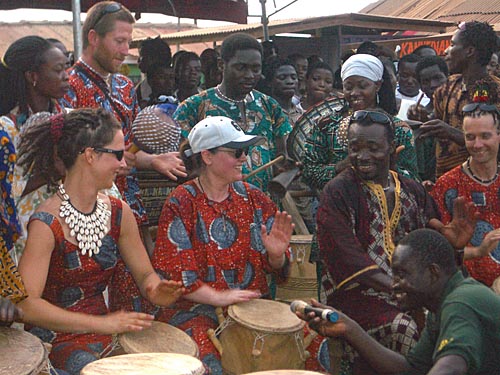
My time spent in West Africa studying with master Griots was life changing and a time I cherish. Learning rhythmic music with the foundation of the clave rhythm, I quickly found out that this rhythm is universal.

By understanding and implementing clave into our djembe drumming practice, we not only expand our rhythmic vocabulary but also deepen our appreciation for the global family of percussion.
As I share many student resources with many of my students, the clave rhythm becomes the foundation which many of our drumming grooves stem from.
What is the Clave Rhythm?
"Clave" (pronounced klah-veh) means "key" in Spanish, and it acts as the time-keeping backbone of Afro-Cuban music. Clave patterns guide musicians, ensuring the timing and phrasing of the music remains cohesive and dynamic.
There are two main types of clave rhythms:
- Son Clave (commonly used in Cuban Son and Salsa music)
- Rumba Clave (used in Rumba and other folkloric styles)
Both are built around a repeating two-measure pattern of five notes, but they are phrased slightly differently.
Why Use Clave with Djembe?
Playing the clave pattern on the djembe fits together like a glove, integrating clave into djembe playing can:
- Enhance timing and rhythmic phrasing
- Teach students and participants to internalize a rhythm over several measures
- Encourage musical conversation in ensemble music making
- Introduce multicultural perspectives on rhythm and drumming
For students who are studying and building their confidence and drum circle facilitators who are in training, clave offers a simple yet effective structure that can spark creativity and group cohesion, especially in educational or therapeutic drum circles.
Learning Polyrhythms: Expanding the Musical Vocabulary
Once we embody the clave pattern into our drumming practice, we discover powerful benefits of working with the clave on djembe and tapping into the world of polyrhythms — the layering of two or more different rhythmic patterns at the same time.
In traditional West African music, polyrhythms are the foundation of group drumming. Different players (or even the same drummer) perform patterns that interact, overlap, and complement each other to create rich, textured rhythmics.
When students learn to feel and play the clave while maintaining or responding to another rhythm (like a steady bass pulse or a different djembe accompaniment), they are exposed to polyrhythmic thinking. This skill:
- Develops deep listening and timing abilities
- Strengthens independent coordination between hands
- Enhances group communication in ensemble playing
- Opens creative pathways for improvisation and musical expression
Even 5 over 4 phrase I share in my Youtube video. Listening and strengthening our pulse within, then exploring this polyrhythm over 2 or 4 bars, can transform our creative expression and musicality.
Mastering an advanced polyrhythm such as this does take time, patience. So take it slow and start with a reference point such as a metronome or slow fun rhythmic backing tracks.
In classroom or drum circle settings, introducing polyrhythmic layering with foundation of clave provides a fun and tangible way to boost rhythmic awareness, helping students of all ages and skill levels build confidence and musical fluency.
Getting Started: Step-by-Step
Step 1: Feel the Pulse
Before you drum the clave rhythm … feel it first within your body. Start by clapping or tapping the clave pattern slowly along with a metronome or simple backing beat. You can even vocalize it:
- Say: "Kin – – – Kin – – Ku – – Cha – Cha"
Using words or syllables makes it easier for beginners to internalise the rhythm before transferring it to the drum.
Step 2: Play Clave on the Djembe
Once you’re comfortable clapping or vocalizing the clave, try playing it on the djembe. Use a simple technique:
- Play tone (open sound) for each clave note.
- Stay relaxed and light; focus on consistency rather than volume.
For beginners:
- Play the clave with one hand, while lightly tapping quarter notes (steady beats) with the other hand to keep the time steady.
This simulates the feeling of playing across rhythms — an essential coordination skill.
Step 3: Layer the Clave
Now, try layering:
- Assign one person (or group) to play the clave pattern consistently.
- Others can add simple complementary rhythms — such as basic bass-tone-slap djembe patterns.
For example:
- Bass on beats 1 and 3
- Tones or slaps on beats 2 and 4
This layering exercise helps groups experience polyrhythmic texture, while the clave provides an "anchor" for the groove.
Step 4: Explore Variations
Once comfortable, encourage improvisation around the clave:
- Add accents
- Embellish with flams or rolls
- Shift between tone, bass, and slap sounds while maintaining the clave’s core structure
You can also experiment by switching between the Son Clave and rock feel, noticing how it changes the overall feel.
Practical Classroom and Drum Circle Tips
- Introduce Slowly: Spend ample time clapping and vocalizing before drumming. Movement exercises (e.g., walking the pulse while clapping the clave) are particularly effective.
- Use Call and Response: Play a short clave-based phrase and have participants echo it back.
- Create Ensembles: Divide groups into clave players, bass players, and improvisers. Rotate roles every few minutes.
- Incorporate Songs: Layer simple chants or melodies over clave rhythms to create a holistic musical experience.
- Celebrate Mistakes: Remind students and participants that rhythm is a journey. If someone loses the pattern, smile, reset, and groove back in.
My one-on-one online students say that since they’ve been learning how to play and implement the clave rhythm into their djembe playing their drumming has improved dramatically.
The Deeper Connection
Bringing clave into your djembe playing connects you — and your students or participants — to a broader rhythmic heritage. Both Afro-Cuban and West African traditions celebrate rhythm as a communal, spiritual, and expressive force.
By learning clave and polyrhythmic approaches, you not only expand your musical vocabulary but also unlock new layers of rhythmic understanding, creativity, and connection. In a way, blending these traditions on the djembe is less about "mixing" cultures and more about honouring shared roots and celebrating the timeless human spirit of music.
Are you interested in deepening your rhythm skills and wanting to learn more about group music making from an experience teacher? I’m offering new students the opportunity to study online with me, either one-on-one or group.
I’m based in Australia, so maybe this timing doesn’t work for you? That’s OK too – I have all bases covered. Take a look at my online Djembe Drumming Course – Beginning Your Journey, a comprehensive online course with life time access.
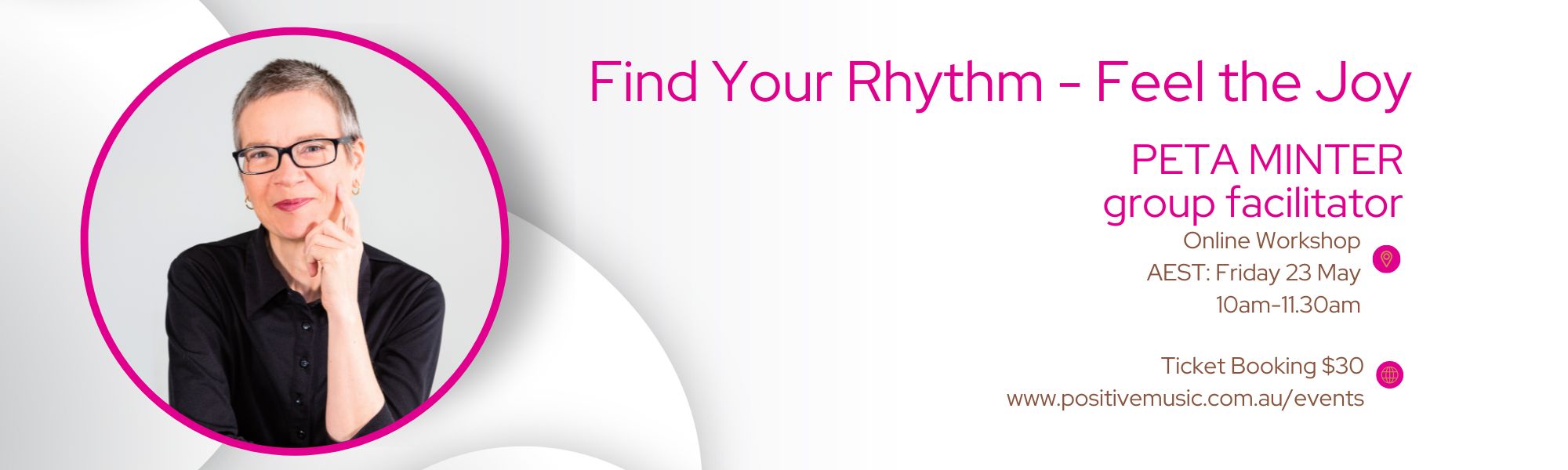
Find Your Rhythm - Feel the Joy Online Workshop
You're warmly invited to join me as we explore powerful djembe rhythms to increase our rhythm skills and the joy of drumming for self care. Bookings are essential, find out more and book your ticket for this not be missed online workshop.